




































Artificial intelligence (AI) may be the buzzword of the decade, but at its core, AI is one thing: a data problem. As businesses increasingly adopt AI, the challenge lies not in building large-scale models but in automating the integration of data into existing AI systems. For professionals in real estate, PropTech, and beyond, understanding how to streamline and scale this process can make the difference between staying competitive and falling behind.
In this article, we’ll explore insights shared by Dave Dufour, CTO of Propulsion, on how automation technologies like Robotic Process Automation (RPA), Retrieval-Augmented Generation (RAG), and Modular Completion Protocol (MCP) can revolutionize data integration for AI. Whether you’re a real estate professional, a tech-savvy data enthusiast, or an enterprise looking to leverage AI, this guide will break down how these technologies work and their practical applications in business environments.
The Big Idea: AI is a Data Problem
Dufour’s key message is clear: AI relies on massive quantities of structured and unstructured data to function. Organizations don’t necessarily need to build their own models from scratch – a costly and resource-intensive endeavor – but must instead focus on automating data workflows to feed existing AI systems effectively. Automation makes AI accessible, scalable, and valuable for real-world applications, especially through tools and techniques like RPA, RAG, and MCP.
Let’s dive into how each of these technologies contributes to the automation of AI data integration.
sbb-itb-8058745
1. Robotic Process Automation (RPA): Simplifying Data Workflows
Robotic Process Automation (RPA) is a technology that automates repetitive and rule-based tasks, such as data entry, file transfers, or email parsing. It’s often used to transfer data into AI systems for further processing.
How RPA Supports AI Integration:
- Workplace Data Integration (Workplace Stuffing): A simple yet widespread method of integrating data into AI workflows is by uploading files to platforms like Microsoft 365 or Google Workspace. Once the data is in these environments, AI tools like Microsoft Copilot or Google Gemini can process it automatically. While rudimentary, this approach offers value by eliminating manual data handling.
- Third-Party SaaS Integration: More sophisticated RPA workflows involve structured data transfers into third-party platforms such as Salesforce, ServiceNow, or HubSpot. These systems often feature built-in AI agents that can analyze and utilize the data directly. Automating the data pipeline to these platforms ensures accuracy, reduces errors, and enhances efficiency.
Pro Tip:
For businesses looking to adopt RPA, Dufour emphasizes the importance of validating data authenticity. Cybersecurity risks are prevalent when automating the ingestion of external data via APIs or email listeners, so safeguards should be put in place.
2. Retrieval-Augmented Generation (RAG): Unlocking the Power of Unstructured Data
RAG is a cutting-edge technique that bridges the gap between unstructured data (e.g., emails, PDFs, Word documents) and large language models (LLMs). It allows businesses to train AI systems to retrieve and understand information from diverse data formats.
The RAG Workflow:
- Identify the Knowledge Base: Isolate the data sources you want to integrate. These could include folders of Word documents, PDFs, or even raw text data.
- Normalize the Data: Ensure uniform tone, format, and structure across all documents to make them compatible with AI tools. This step might involve converting files into a standard format such as PDFs and unifying the linguistic style.
- Vectorization and Chunking: Using tools like LangChain (a Python library), the data is transformed into mathematical vectors and smaller data chunks that AI systems can easily index and retrieve.
- Store Data in Vector Databases: Once vectorized, the data is stored in a database such as Pinecone, making it accessible for future AI queries.
Why RAG Matters:
RAG enables AI systems to handle vast amounts of unstructured data without requiring custom-built models. This is particularly relevant for industries like real estate and PropTech, where property documents, contracts, and email correspondence are often diverse in format and content.
3. Modular Completion Protocol (MCP): The Future of AI Automation
Dufour describes MCP as a revolutionary leap in AI automation that allows LLMs to seamlessly connect with external systems, execute operations, and retrieve data on demand. He compares its transformative potential to the advent of browser plugins in the 1990s.
What is MCP?
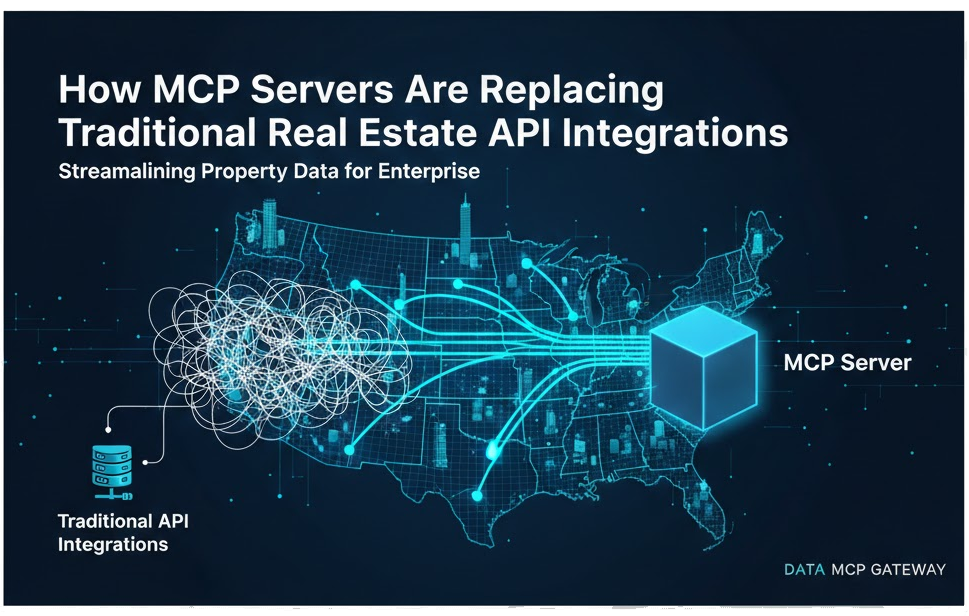
MCP is essentially a communication protocol that enables AI tools like Microsoft Copilot, ChatGPT, or Google Gemini to interact with external servers and automate tasks. Businesses can set up an MCP server, which acts as a bridge between the AI system and internal workflows or databases.
Applications of MCP:
- Executing Flows and Tasks: MCP enables AI to trigger pre-configured workflows, such as generating customer reports or querying databases for real-time insights.
- Retrieving and Manipulating Data: The protocol allows businesses to integrate their RAG-ready databases, enhancing the AI’s ability to analyze and respond to user inputs dynamically.
- Enhanced Automation: Through MCP, AI is no longer limited to retrieving data – it can also execute complex actions, such as processing tickets, triggering notifications, or even running simulations.
Dufour highlights the growing adoption of MCP, citing tools like Roost that are pioneering server configurations for streamlined AI-to-automation integration. This innovation promises to unlock significant efficiencies for enterprises reliant on AI.
Key Takeaways
- AI is a Data Problem: The success of AI models depends on having vast, well-integrated data pipelines. Automation is the key to scaling these processes.
- RPA for Immediate Gains: Automate data workflows with tools like email listeners and API integrations to eliminate manual errors and improve efficiency.
- RAG for Unstructured Data: Use RAG techniques to unlock the potential of unstructured data, from property contracts to customer emails.
- MCP as a Game-Changer: MCP allows AI systems to interact with external processes dynamically, enabling real-time execution of workflows and data retrieval.
- Leverage Existing Technologies: Avoid the costly mistake of building AI models from scratch. Instead, use available tools like LangChain, Pinecone, and Roost to automate data integration effectively.
- Normalize and Secure Data: Before integrating data into AI models, ensure it is standardized in tone and format while implementing cybersecurity measures to protect data pipelines.
Conclusion
As businesses increasingly rely on AI to drive decision-making, automate workflows, and deliver insights, the ability to seamlessly integrate data becomes critical. RPA, RAG, and MCP are transformative tools that enable organizations to meet this challenge head-on. By focusing on automation and leveraging existing technologies, professionals in real estate, PropTech, and related fields can unlock the full potential of AI – without falling into the costly trap of building models from scratch.
Ultimately, the future of AI in business lies in making data accessible, actionable, and integrated. With tools like RPA, RAG, and MCP, the possibilities for innovation and efficiency are boundless. Whether you’re streamlining property management workflows or developing AI-driven customer insights, these technologies are your ticket to staying ahead in the competitive landscape of 2025 and beyond.
Source: "Bringing Data to the AI Party: Automating Data Integration for Enhanced AI Efficacy – FLOW 2025" – Rewst, YouTube, Nov 14, 2025 – https://www.youtube.com/watch?v=Nn9txXPskYY