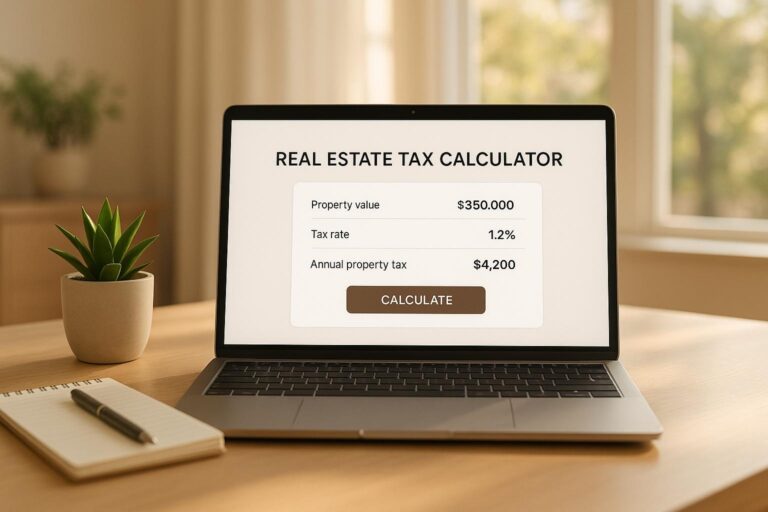
Understanding Property Taxes with a Real Estate Tax Estimator
Navigating the world of homeownership or property investment often comes with hidden costs, and one of the biggest is property tax. These annual fees, determined by local governments, can significantly impact your budget, especially if you’re unprepared. That’s where a tool like a property tax estimator becomes invaluable. It offers a fast way to gauge what you might owe based on your home’s value and location, helping you plan ahead without the guesswork.
Why Property Taxes Matter
Whether you’re buying a new home in California or managing a commercial space in Texas, understanding your tax obligations is crucial. Rates vary widely—some areas might charge a modest percentage, while others tack on extra local fees. A quick calculation can reveal whether a property fits your financial goals or if you need to rethink your strategy. Beyond budgeting, knowing these costs upfront can influence negotiations or even your choice of neighborhood.
Start Planning Today
Don’t let unexpected bills catch you off guard. Using a simple online tool to estimate property expenses empowers you to make informed decisions, whether you’re a first-time buyer or a seasoned investor. Take a moment to crunch the numbers and gain clarity on your next steps.
FAQs
How accurate is this Real Estate Tax Calculator?
Our calculator provides a solid estimate based on mock tax rates for different states and counties, like 1.2% for California or 0.8% for Texas. However, actual rates can vary due to local regulations, special assessments, or exemptions. It’s always a good idea to double-check with your local tax authority for the most up-to-date numbers. Think of this tool as a starting point for planning, not a final figure.
Does the tool account for property type differences?
Yes, it does! Property taxes can differ based on whether your property is residential, commercial, or another type. Our tool lets you select the category, and we adjust the calculation to reflect typical variations in tax treatment. That said, these are still estimates, so local rules might apply additional fees or discounts we can’t predict here.
Is my data stored when I use this calculator?
Nope, not at all. We know privacy matters, so this tool works instantly without saving any of your inputs or results. You can play around with different property values or locations as much as you want, and nothing gets stored on our end. It’s just a quick, no-strings-attached way to get a rough idea of your taxes.