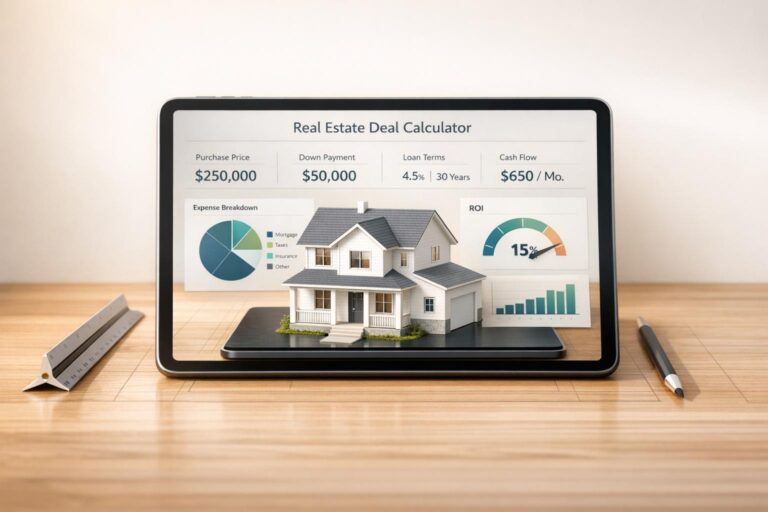
Unlock Smarter Property Investments with a Real Estate Analysis Tool
When diving into the world of property investment, having the right data at your fingertips can make all the difference. A reliable tool for evaluating real estate deals empowers investors and buyers to assess potential purchases with confidence. Whether you’re a seasoned pro or just starting out, understanding key financial metrics can help you avoid costly missteps and pinpoint opportunities that align with your goals.
Why Crunching the Numbers Matters
Buying a property isn’t just about the sticker price—it’s about the long-term value. By analyzing factors like monthly cash flow, return on investment, and capitalization rate, you can get a clearer sense of whether a deal stacks up. For instance, knowing if rental income will cover your costs after accounting for a mortgage and upkeep is crucial. A property investment calculator simplifies this process, turning complex math into actionable insights. So, before you sign on the dotted line, take a moment to run the numbers. It’s a small step that could save you from a big headache down the road.
FAQs
How accurate are the calculations in this Real Estate Deal Calculator?
Our tool uses standard financial formulas, like the amortization formula for mortgage payments and straightforward math for ROI and cap rate. That said, it’s based on the numbers you input, so accuracy depends on how realistic your estimates are for things like rental income or expenses. It’s a great starting point to get a sense of a deal, but I’d always recommend double-checking with a financial advisor or accountant for major investments.
What’s the difference between ROI and cap rate in real estate?
Good question! ROI, or return on investment, looks at your personal profit relative to what you’ve put in—think of it as annual profit divided by your initial investment, like your down payment. Cap rate, on the other hand, is more about the property’s overall performance, calculated as net operating income divided by the purchase price. Both are handy, but ROI tells you more about your cash returns while cap rate helps compare properties broadly.
Can this tool help me decide if a rental property is a good investment?
Absolutely, that’s what it’s built for! By plugging in numbers like purchase price, rental income, and expenses, you’ll get a clear picture of monthly cash flow and other key metrics. If the cash flow is positive and the ROI looks solid, it might be a winner. But keep in mind, numbers are just part of the story—location, market trends, and your own goals matter too. Use this as a guide, and chat with a pro for the final call.