In the ever-evolving world of PropTech and commercial real estate, data is both the greatest asset and the biggest bottleneck. David Bender, founder of BrickGraph, takes us on a deep dive into building a geospatial knowledge graph solution optimized for real estate teams. Through his experiences, David provides a unique look at the challenges of working with data in the built environment, his journey as a solo founder, and the lessons he’s learned about ambition, community, and scaling a tech-forward business.
What is BrickGraph? A Vision for Frictionless Data Integration
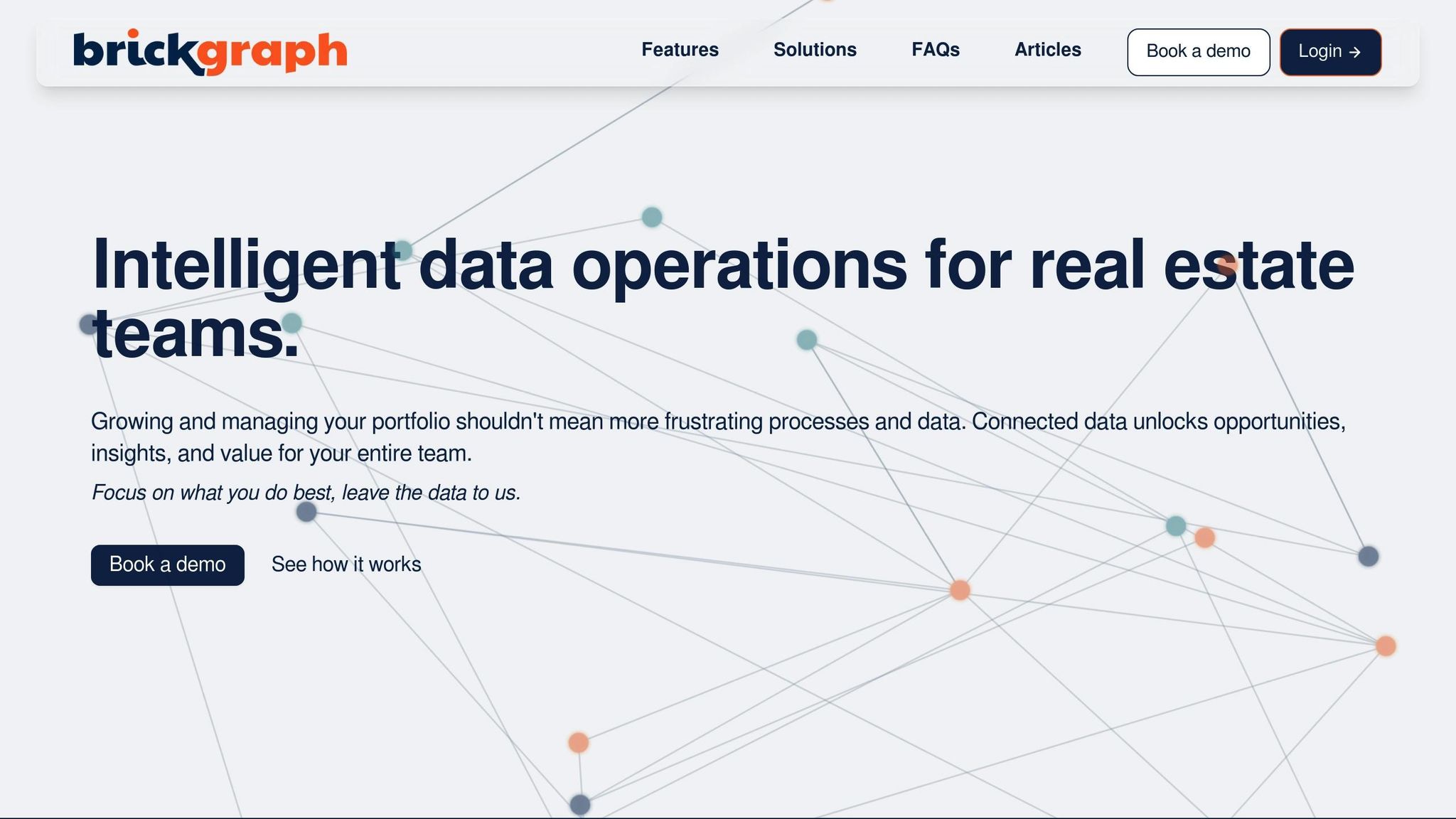
BrickGraph addresses a fundamental issue in the real estate industry: fragmented data systems and processes. As David explains, most commercial real estate teams juggle multiple spreadsheets, disjointed tools, and outdated systems, causing inefficiency and frustration.
BrickGraph provides a geospatial knowledge graph solution that simplifies data integration and analysis. By combining geospatial analytics with AI capabilities, the platform enables real estate professionals to create comprehensive views of their operations, uncover hidden insights, and streamline decision-making – all without requiring advanced coding skills.
David’s vision stems from his personal frustrations with data inefficiencies during his tenure at a family office real estate firm. His goal? To create a tool he wished existed – a solution that integrates seamlessly, offers sophisticated analytics, and accelerates decision-making in a competitive environment.
sbb-itb-8058745
The Problem That Sparked a Solution
David’s journey began in 2019 when he moved from Canada to London and joined a traditional real estate investment firm. Tasked with modernizing the company’s data architecture, David quickly encountered a recurring problem: disjointed systems and fragmented processes were blocking progress.
Instead of merely patching the symptoms, David built internal tools to address systemic issues. After leaving the firm, he couldn’t shake the idea of scaling his solution into a product that could benefit the broader real estate community. Thus, BrickGraph was born – a passion project fueled by David’s determination to remove the friction from working with real estate data.
From Idea to Execution: Challenges of Building BrickGraph
1. The Solo Founder Dilemma
One of David’s most significant challenges has been building BrickGraph as a solo founder. While he received mentorship and guidance along the way, he acknowledges that the absence of a co-founder slowed him down and, at times, made the journey emotionally taxing.
"Being a founder is a difficult process regardless of your support system… Being a solo founder means you don’t always have that outlet," David reflects.
While David values his independence, he emphasizes the importance of community and collaboration, whether through co-founders, mentors, or a strong personal support system. His advice? Invest as much in your community as you do in your product.
2. Balancing Strengths and Weaknesses
David’s technical expertise gave him a strong foundation in data science, but sales and marketing were areas where he initially struggled. Early in the process, he leaned heavily into his strengths – focusing on technical development – but later realized the importance of stepping outside his comfort zone.
"Getting better at something you’re already good at is easier than improving your weaknesses," David notes, adding that founders must condition themselves to tackle areas they find challenging.
This mindset has been crucial in shaping BrickGraph’s growth, particularly when pitching the product to customers and refining its usability.
3. Securing the First Customer
BrickGraph’s first paying customer emerged from a consulting relationship. David developed a data strategy for a UK-based investment firm, showcasing the principles that underpin BrickGraph. When the project concluded, David made a bold pitch: he offered them the opportunity to become BrickGraph’s first customer and co-develop the product alongside him.
The firm agreed, and their feedback proved instrumental in shaping the platform. This collaborative dynamic highlights the importance of building strong relationships and listening to early users to guide product evolution.
The Evolution of BrickGraph: From MVP to Today
The journey from BrickGraph’s initial MVP (Minimum Viable Product) to its current state has been marked by significant technical and usability improvements. Yet, as David observes, the core concept has remained remarkably consistent.
"The product now is miles better than the first MVP, but it’s eerily similar to what I conceived of four years ago," David notes. This suggests a clear vision from the outset, but also underscores how much iteration and refinement are required to bring an idea to life.
Through countless customer conversations and continuous testing, BrickGraph has evolved into a user-friendly platform that delivers on its promise of simplifying geospatial data integration and analytics.
Location Matters: Building a Startup in Boston
Having started BrickGraph in London, David recently relocated to Boston, a move that has provided new opportunities and challenges. He contrasts Boston’s action-oriented startup culture with London’s more cautious approach.
Key Differences Between Boston and London:
- Ambition Levels: In Boston, founders are encouraged to aim for massive growth – whether that’s building a unicorn or securing significant funding. David notes that conversations in the U.S. often involve larger numbers, such as raising $10 million versus seeking a $100,000 grant.
- Ecosystem and Resources: Boston offers unparalleled access to universities, venture capital, and corporate support. Despite being a smaller city than London, the density of activity in the startup scene is significantly higher.
David highlights the importance of aligning one’s ambitions with the local environment. In Boston, startups are expected to scale aggressively, and founders must be prepared to meet those expectations head-on.
Reflections and Lessons for Aspiring Founders
David’s candid reflections offer valuable insights for anyone considering their own entrepreneurial journey. Here are some key lessons:
1. Prioritize Community
"Invest just as much in your community as you do in your product."
Whether it’s finding a co-founder, building a network of mentors, or maintaining personal relationships, a strong support system is essential for navigating the ups and downs of entrepreneurship.
2. Strengthen Your Weaknesses
While it’s tempting to double down on what you’re already good at, growth often requires tackling areas outside your comfort zone. For David, this meant improving his sales and marketing skills to complement his technical expertise.
3. Stay Healthy – Physically and Mentally
"You will only go as far as your body will take you."
Entrepreneurship can be all-consuming, but David emphasizes the importance of maintaining balance. Physical health, hobbies, and time away from work are critical for sustaining long-term success.
4. Adapt to Your Environment
Whether operating in London, Boston, or elsewhere, understanding the local startup culture and aligning your goals accordingly can make a significant difference.
Key Takeaways
- Geospatial Knowledge Graphs: BrickGraph simplifies data integration for real estate teams by combining geospatial analytics and AI.
- Community is Key: A strong network of collaborators and supporters is critical for overcoming the challenges of entrepreneurship.
- Challenge Yourself: Growth requires leaning into areas you find difficult, such as sales or marketing.
- Understand Your Market: Align your ambitions with local startup culture and customer needs.
- Self-Care is Non-Negotiable: Maintaining physical and mental health ensures you can show up for your business every day.
- Iterate Relentlessly: A clear vision is important, but continuous testing and customer input are what refine a product.
Closing Thoughts
David Bender’s journey with BrickGraph illustrates the grit and adaptability required to succeed as a solo founder in a competitive industry. His emphasis on community, continuous learning, and staying grounded offers a practical roadmap for aspiring entrepreneurs.
BrickGraph’s story is a testament to the power of turning personal frustration into innovation, and its evolution reflects the importance of staying true to a vision while embracing growth and change.
While the future of BrickGraph remains unwritten, one thing is certain: the lessons David shares will resonate with builders and scalers across the PropTech ecosystem and beyond.
Source: "Founders’ Tales – Inside the Journey of Building Brickgraph for Real Estate Data" – Evolution Recruitment Solutions, YouTube, Jan 20, 2026 – https://www.youtube.com/watch?v=SdwUO_j0cTE