In today’s fast-paced digital landscape, seamless integration of applications and data is the cornerstone of operational efficiency and innovation across industries like real estate, PropTech, insurance, and investments. From automating processes to achieving real-time insights, integration isn’t just a technical necessity – it’s a strategic advantage.
This article explores the fundamental differences between application integration and data integration, offering practical examples and insights into how these systems can drive growth, improve decision-making, and transform business operations. By the end, you’ll have a clearer understanding of these integration types and how they can be leveraged in your sector.
Understanding Integration: The Foundation of Modern Systems
Integration, in its simplest form, is about enabling systems, applications, or devices to communicate and work together. However, there’s a critical distinction between application integration and data integration – two approaches that serve different business purposes but are equally essential.
What Is Application Integration?
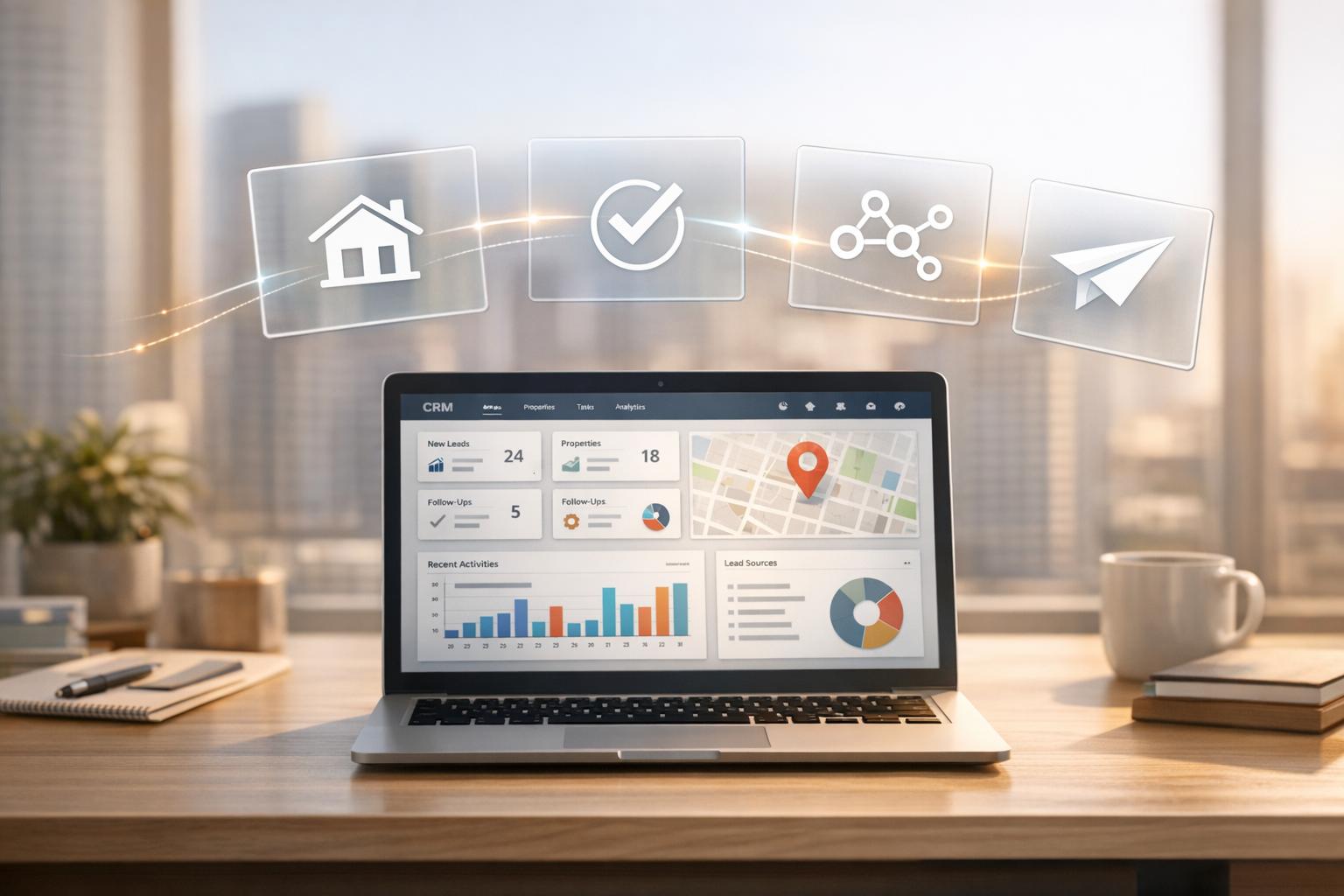
Application integration connects independently designed applications, allowing them to exchange data or messages in real time. This process supports business workflows by ensuring that information flows seamlessly between systems. Think of it as creating a synchronized ecosystem where tasks are automated, reducing manual intervention and errors.
Example: Automating Telecom Services
Imagine you’re signing up for a telecom service. After submitting your details, the system automatically assigns you a SIM card and phone number, provisions your account across the CRM, billing, and charging systems, and finalizes the setup – all without manual input. This end-to-end automation is enabled by application integration, ensuring a streamlined customer experience.
Key characteristics:
- Focuses on real-time process coordination.
- Enables transactional data exchange (e.g., payments or order processing).
- Relies heavily on APIs, event-driven systems, and file integration.
What Is Data Integration?
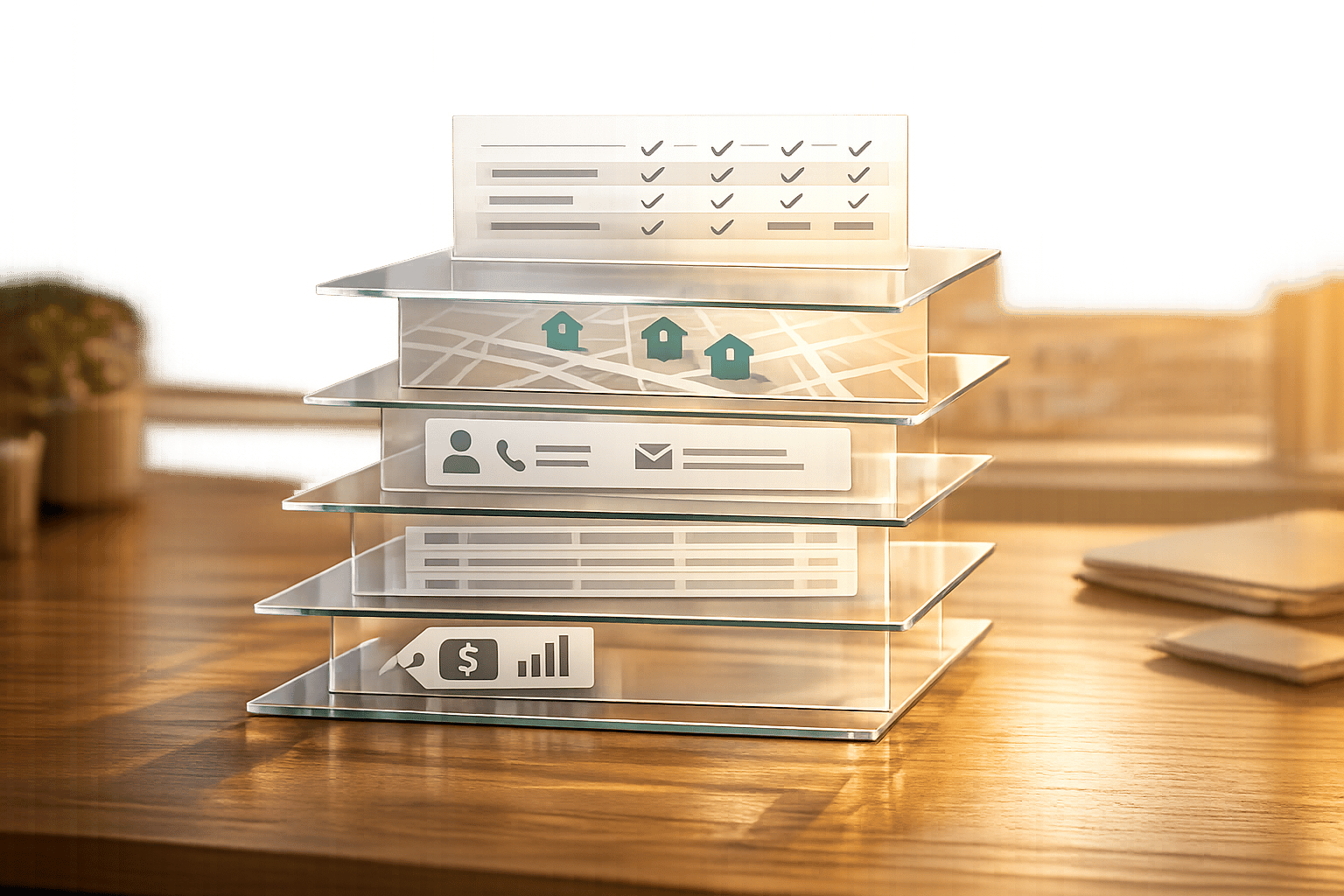
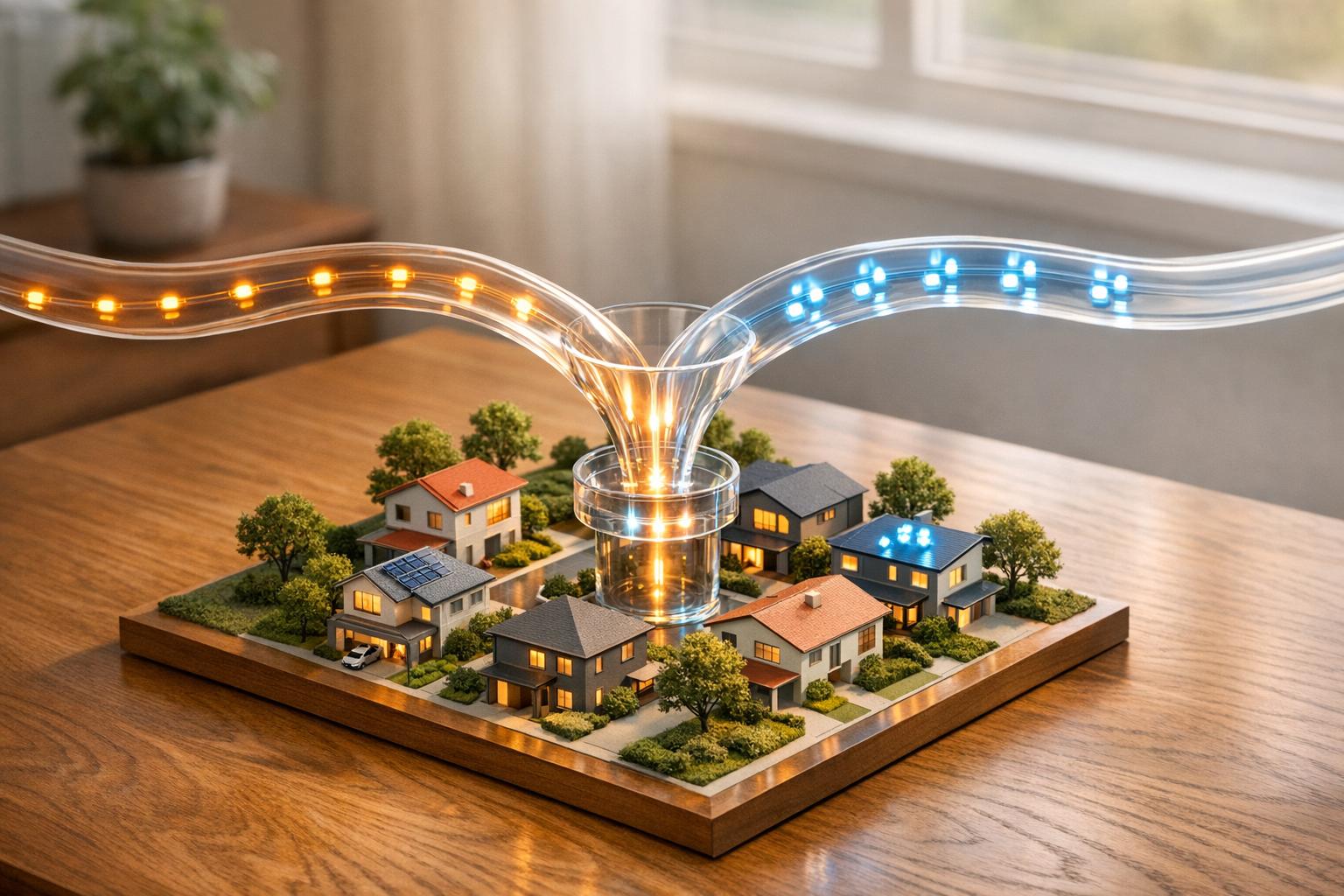
Data integration, on the other hand, involves consolidating and transforming data from multiple sources into a centralized repository. This unified data pool serves purposes like reporting, analytics, and even powering artificial intelligence and machine learning models.
Example: The Customer 360 View
Consider how e-commerce platforms like Amazon or streaming services like Netflix recommend products or content tailored to your preferences. They achieve this by integrating and analyzing data from various sources, creating a comprehensive customer profile.
For instance, Levi’s, the clothing brand, used data integration to combine customer behaviors and environmental factors (like local weather) to personalize offers. Some customers received tailored experiences, while others were sent gifts – creating a nuanced, data-driven strategy to enhance customer satisfaction.
Key characteristics:
- Handles large-scale data consolidation.
- Supports analytics, predictive modeling, and AI-driven initiatives.
- Involves methods like ETL (Extract, Transform, Load) or ELT (Extract, Load, Transform).
Why Integration Matters
Both application and data integration address distinct challenges, but their ultimate goal is the same: improving operational efficiency, enabling innovation, and driving business growth.
- For Real Estate and PropTech: Integration can automate property management workflows, improve tenant experiences, and consolidate data for advanced market forecasting.
- For Insurance and Investments: Seamless data integration is critical for risk modeling, fraud detection, and delivering personalized client services.
- For Enterprise Tech: Real-time application integration ensures smooth system operations, while data integration provides actionable insights for strategic decisions.
Diving Deeper: Technical Insights and Use Cases
Application Integration in Action
Application integration is particularly effective for process automation in real-time systems. Here’s a breakdown of its architecture:
- Purpose: Real-time coordination of transactions (e.g., booking systems, payment gateways).
- Example: A customer makes an online payment. The payment system communicates with the billing app to update the ledger instantly, ensuring no discrepancies.
- Methods: API-based integration, event-driven systems, or file-based mechanisms.
- Latency: Extremely low, usually milliseconds, making it ideal for time-sensitive processes.
Data Integration in Action
Data integration is about scaling insights by consolidating and analyzing massive datasets. Its architecture is built to handle complex, high-volume workflows:
- Purpose: Providing a unified view of data for analytics, AI, and reporting.
- Example: Smart cities using IoT devices to monitor traffic. Data from sensors is integrated into a centralized system for real-time traffic management.
- Methods: Streaming data pipelines, ETL/ELT processes, and batch processing.
- Latency: Can tolerate higher delays, as it’s not always real-time.
Real-World Application: Tesla and Edge Computing
Tesla is often described as a data company, collecting massive amounts of data using edge computing in its vehicles. This data is processed locally for quick actions (like autonomous driving) but also sent to the cloud for large-scale analysis and model training. This dual approach – real-time application integration and centralized data integration – demonstrates the transformative power of integration.
Key Considerations for Your Integration Strategy
When planning an integration strategy, it’s essential to align your approach with your business goals. Here are some factors to consider:
- Data Quality and Governance: Ensure data accuracy and compliance with industry standards.
- Scalability: Design systems that can handle increasing volumes of data or transactions.
- Automation: Prioritize automation to reduce manual effort and errors.
- Integration Type: Identify whether real-time application integration or large-scale data integration is more critical – or if you need both.
Key Takeaways
- Application Integration: Connects applications for real-time data exchange, ideal for transactional processes like payments or CRM updates.
- Data Integration: Consolidates and transforms data for analytics, AI, and reporting, offering long-term strategic value.
- Integration enables personalized customer experiences, such as Levi’s tailored offers and Tesla’s data-driven innovations.
- ETL/ELT: These are critical methods in data integration workflows. The choice depends on whether transformation happens before or after data loading.
- Scalability Matters: Both types of integration must scale to support your business as it grows.
- Automation Wins: Automated integration reduces errors and improves operational efficiency.
- Real-World Impact: From smart cities using IoT for traffic management to predictive healthcare models, integration is transforming industries.
Conclusion
In an increasingly interconnected world, successful businesses rely on the seamless integration of systems and data to stay competitive. Whether you’re looking to automate processes with application integration or unlock the potential of your data with advanced analytics, understanding these integration types is the first step.
As a professional in real estate, PropTech, insurance, or investments, leveraging integration effectively can help you deliver better results, improve customer experiences, and position your organization for long-term success.
Source: "3. 2 Main Types of Integrations & the difference" – Amr Salah | Chief EA (ChiefEA.io), YouTube, Sep 23, 2025 – https://www.youtube.com/watch?v=ipMneXtqRK4