



































Understanding Property Values with a Real Estate Comparables Tool
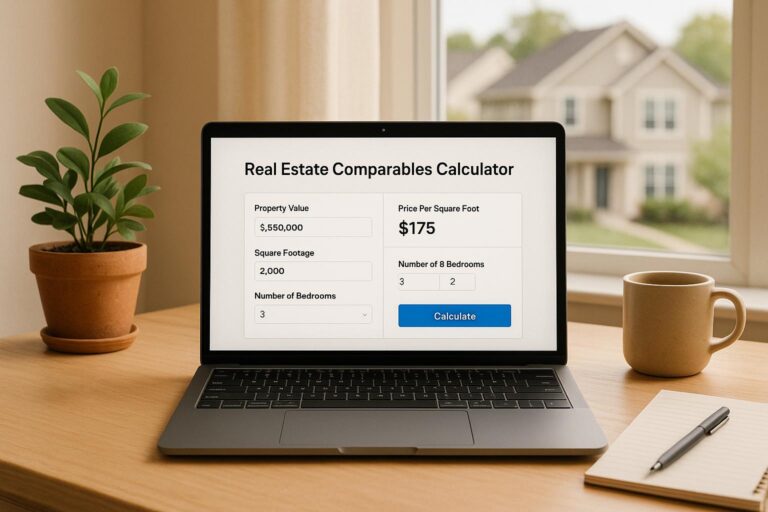
Navigating the housing market can feel like wandering through a maze, especially when you’re trying to pin down what a home is truly worth. That’s where a property value estimator comes in handy. By analyzing recent sales of similar homes in your area, this kind of tool offers a glimpse into fair market pricing without the guesswork. Whether you’re a homeowner thinking of selling or a buyer scoping out a deal, having access to comparable sales data can be a game-changer.
Why Comparables Matter
Comparable properties, often called "comps," are the backbone of real estate valuation. They’re homes with similar features—think square footage, bedroom count, or location—that have sold recently. A good home value calculator sifts through this data to provide an estimated range, helping you avoid overpaying or underselling. Beyond just numbers, it gives context to the local market, showing trends you might not spot on your own. So next time you’re curious about a property’s worth, skip the hunches and let hard data guide you. It’s a simple step that can save time and money.
FAQs
How accurate is the estimated property value from this tool?
The estimate is based on publicly available sales data or a mock dataset of comparable properties in your area. While it’s a solid starting point, it’s not a formal appraisal. Factors like unique home features, current market trends, or renovations might not be fully captured. For the best accuracy, double-check your inputs and consider consulting a local real estate expert for a deeper dive.
What if I can’t find my exact address or don’t have all the details?
No worries! If you don’t have an exact address, just pop in a general location like a city or zip code, and we’ll still pull relevant data. Missing some specs? The tool will prompt you for key info like square footage or bedrooms. Even partial data can give you a rough estimate, though the more details you provide, the better the results.
How recent is the sales data used for comparisons?
We prioritize the most recent sales data available, typically within the last 6-12 months, depending on what’s out there for your area. The tool focuses on homes sold within a tight radius—usually 1-5 miles—to keep the comparisons relevant. If data is sparse, we’ll let you know, and you might need to broaden the search area for better results.