






























Simplify Mailing with an Address Format Converter
Sending mail across borders or organizing contact data can be a headache when address formats don’t match up. Whether you’re a small business owner shipping to customers in the UK or an individual mailing a package to Canada, getting the layout right matters. A tool to standardize postal addresses can be a game-changer, ensuring your mail reaches its destination without delays caused by formatting errors.
Why Address Standardization Matters
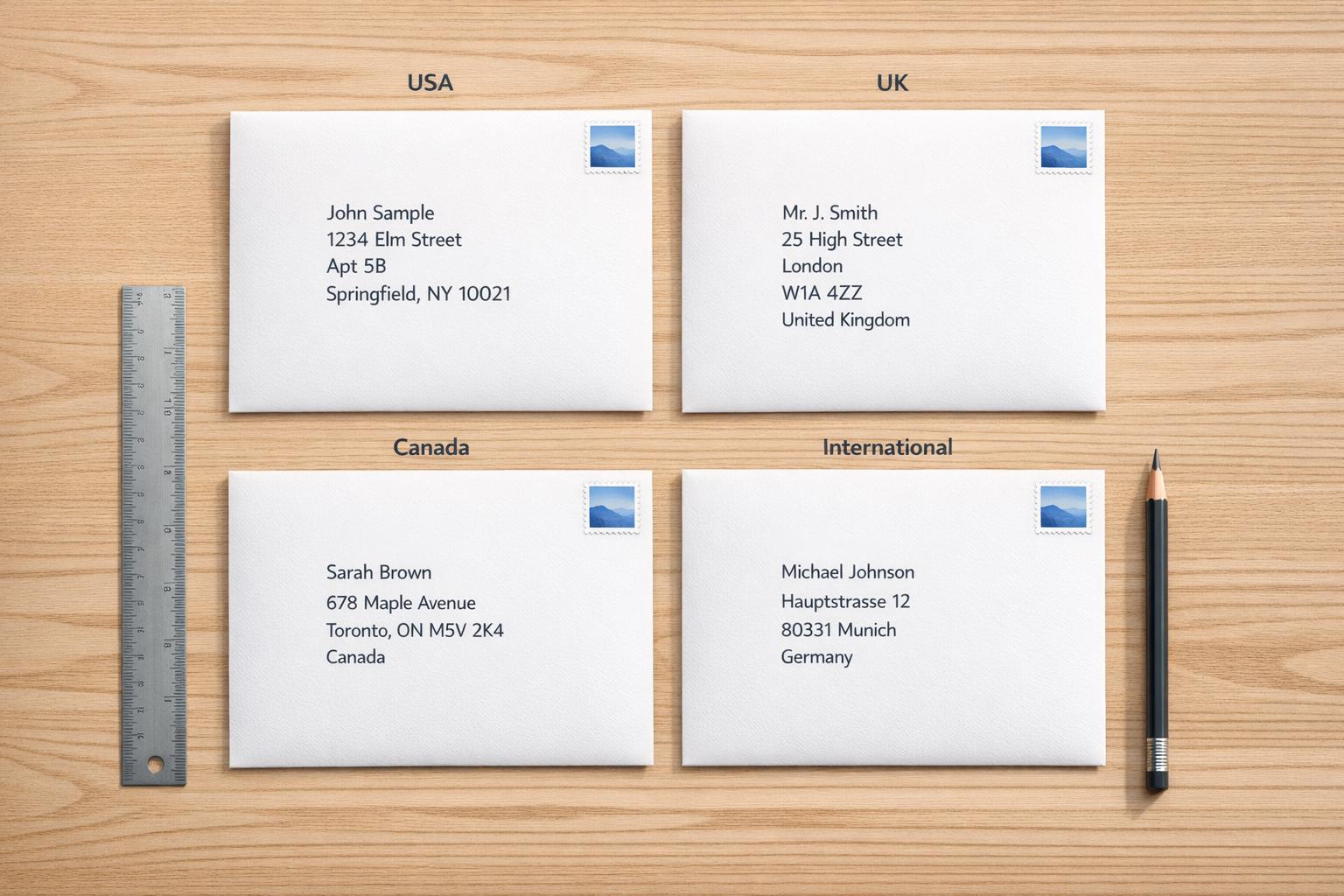
Different countries have unique rules for how addresses should look. In the US, it’s all about street, city, state, and ZIP code in a neat stack. Head over to the UK, and you’ve got postcodes and towns taking priority, often with house numbers tucked in differently. Manually figuring this out takes time—time most of us don’t have. Using a reliable conversion tool means you can quickly adapt any input to fit the expected structure, whether for personal letters or professional databases. Plus, it cuts down on returned mail, saving you frustration and money. Next time you’ve got an address to tweak, let a dedicated utility handle the heavy lifting and get it formatted right on the first try.
FAQs
Can this tool handle incomplete or messy addresses?
Yes, it’s designed to make a best guess even with partial or jumbled input. It’ll try to identify key parts like city or postal code and arrange them according to the format you picked. That said, if something looks off, we’ll flag it with a warning so you can double-check. It’s always a good idea to verify important addresses manually, especially for mailing.
Does the tool cover every country’s address format?
Right now, we focus on popular standards like US, UK, Canada, and a general international format. We’re working to expand our database, but keep in mind that regional quirks or less common formats might not be fully covered yet. Use the output as a reference and tweak it if you know a specific local rule applies.
Is this tool reliable for professional use?
It’s a fantastic starting point for standardizing addresses, especially for bulk data or personal projects. However, we include a disclaimer that it’s for reference only. For critical tasks like legal documents or high-stakes shipping, always confirm the format with official sources or the recipient to avoid hiccups.