


































Real estate transactions involve vast amounts of sensitive personal and financial data, making privacy compliance a top priority for businesses. With evolving privacy laws like CCPA, CPRA, and GDPR, real estate firms must ensure not only their own compliance but also that of their vendors who handle this data. Here’s what you need to know:
- Why It Matters: Real estate data includes names, Social Security numbers, financial details, and property records, which are prime targets for cyberattacks and fraud. Regulatory violations can result in hefty fines, lawsuits, and loss of client trust.
- Vendor Responsibilities: Vendors must comply with privacy laws, protect sensitive data, and support consumer rights (e.g., data deletion requests). Non-compliance by vendors can lead to penalties for real estate firms.
- Key Laws:
- CCPA/CPRA: Requires transparency, data deletion, and limits on data use. Fines can reach $7,500 per violation.
- GDPR: Applies to EU data and mandates consent, data minimization, and breach notifications.
- State Laws: Vary widely, with unique requirements like biometric data consent (Illinois) and encryption rules (New York City).
- Steps to Ensure Compliance:
- Vet vendors thoroughly: Check security certifications (e.g., SOC 2, ISO 27001) and privacy policies.
- Update contracts: Include clauses for data protection, deletion, and audit rights.
- Conduct regular audits: Monitor vendor practices and address any compliance gaps.
- Use tools like BatchData for secure data handling and automated compliance workflows.
Takeaway: Protecting client data and staying compliant isn’t optional. Real estate firms must actively manage vendor relationships through clear contracts, audits, and privacy-focused tools to avoid risks and build trust.
The BEST Way to Ensure Data Security in Real Estate Deals
Privacy Laws That Affect Real Estate Vendors
These laws lay out specific requirements for how personal information must be managed and protected.
CCPA and CPRA: California’s Privacy Laws
The California Consumer Privacy Act (CCPA) and California Privacy Rights Act (CPRA) set some of the highest privacy standards in the U.S. These laws apply to businesses that handle personal data from at least 100,000 California residents or earn at least 50% of their revenue from selling or sharing personal information.
For real estate vendors, these laws require clear and transparent communication about data practices. Vendors must disclose what personal data they collect, how it’s being used, and who it’s shared with. Additionally, California residents have the right to access their data, request corrections, or demand its deletion. If a deletion request is made, vendors must not only delete the data from their systems but also ensure that subcontractors or third-party service providers do the same.
Under these laws, vendors are often classified as service providers. This means they can only use personal data as outlined in their contracts and must implement proper security measures to protect it. Non-compliance can lead to fines of up to $7,500 for intentional violations. Looking ahead, the California DELETE Act, set to take effect in August 2026, will impose additional requirements. Vendors will need to create accessible systems for ongoing data deletion and ensure individuals can opt out if their deletion request cannot be verified.
Next, let’s look at how GDPR affects vendors handling data from EU residents.
GDPR and Handling EU Resident Data
The General Data Protection Regulation (GDPR) applies to U.S.-based real estate vendors that process personal data of individuals in the European Union, regardless of where the vendor is located. Under GDPR, vendors must obtain clear consent for data collection and usage. EU residents are also granted broad rights, including the ability to access, correct, or delete their data.
Compliance with GDPR involves adhering to strict technical requirements such as data minimization, encryption, and timely breach notifications. Vendors may also need to appoint an EU representative and maintain detailed records of their data processing activities. Non-compliance carries steep penalties – up to €20 million or 4% of global annual revenue, whichever is higher.
Now, let’s explore how state-specific laws in the U.S. add further complexity to compliance.
State Privacy Laws and Their Requirements
In addition to federal and international regulations, state laws create unique challenges for compliance. By 2025, at least 14 states in the U.S. had enacted comprehensive privacy laws, with more expected to follow. Each state’s rules introduce specific requirements that real estate vendors must navigate.
For example, Illinois’ Biometric Information Privacy Act (BIPA) mandates written consent before collecting biometric data and requires a clear data retention schedule. Violations can lead to lawsuits, with damages of up to $1,000 per negligent violation and $5,000 for intentional or reckless violations. Class action lawsuits under BIPA have resulted in settlements worth millions.
In New York City, regulations impose restrictions on landlords and property managers. These rules limit the use of keyless entry card data strictly to access control and require encryption as well as robust data deletion protocols to prevent misuse, such as tracking tenant movements.
States like Colorado and Connecticut have adopted privacy laws similar to California’s framework. These laws require vendors to respond to consumer rights requests, conduct data protection assessments, and ensure their service providers meet similar standards.
The real challenge for vendors lies in managing this patchwork of requirements. For instance, vendors must juggle California’s strict deletion rules, Illinois’ biometric data consent mandates, and New York’s access data restrictions – all at the same time. To stay ahead, vendors should update contracts to include privacy clauses, conduct regular audits, and maintain evidence of compliance. As enforcement ramps up, state regulators are increasingly conducting audits and inquiries, making proactive compliance more critical than ever.
How to Ensure Vendor Compliance
In the real estate world, ensuring vendor compliance is not something you can leave to chance. With privacy laws evolving across states, it’s crucial to establish clear processes for selecting, monitoring, and managing vendors. This not only helps avoid violations but also builds consumer trust.
Vendor Selection and Risk Assessment
Start by thoroughly vetting vendors through a detailed risk assessment process. This involves reviewing their security certifications, privacy policies, and past incident responses.
Ask vendors for documentation of their security certifications, such as SOC 2 or ISO 27001. These certifications show they’ve undergone independent audits of their security practices. But don’t stop there – dig deeper to understand how they apply these standards in their daily operations.
Carefully evaluate their privacy policies and data handling practices. Check if they encrypt sensitive data both during storage and transit and if they use strict role-based access controls to limit who can access what.
Pay extra attention to vendors handling sensitive data, like biometrics or keyless entry information. Ensure they comply with relevant laws for such data. Additionally, review their compliance history. Ask about past privacy audits, any regulatory investigations, and how they’ve handled data breaches. Vendors with a clean track record and transparent incident response procedures are more likely to meet your privacy expectations.
Another key area to assess is their ability to handle consumer privacy requests. Laws like the CCPA and CPRA require vendors to respond promptly to requests for data deletion, access, or correction. Ask potential vendors to explain their processes for managing these requests and how they coordinate with subcontractors to ensure compliance across the board.
Once you’ve completed your assessments, incorporate these findings into your data handling policies to set the foundation for ongoing compliance.
Setting Up Data Handling Policies
Vendor contracts should include strict data handling requirements. These should cover data minimization, encryption during storage and transit, role-based access controls, and timely notifications of any breaches. It’s also critical to establish clear procedures for handling consumer privacy requests, ensuring vendors act quickly and extend compliance measures to their subcontractors.
For example, if a consumer requests data deletion under the CCPA, vendors must not only delete the data from their systems but also confirm that subcontractors or third-party services do the same. Your policies should spell out timelines and verification steps for these actions.
Strong policies are a good start, but they’re not enough on their own. Ongoing monitoring is essential to ensure vendors stick to these standards.
Regular Audits and Monitoring
Compliance is not a one-and-done task – it requires constant vigilance. Real estate companies should conduct privacy audits of their vendors at least once a year. For vendors handling high-risk data or during times of regulatory change, more frequent reviews may be necessary.
Use automated tools to monitor vendor compliance between formal audits. These tools can track access logs, watch for unusual activity, and monitor response times for privacy requests. Real-time dashboards can provide visibility into compliance metrics and alert managers to potential issues.
When audits or monitoring reveal compliance gaps, take immediate action. This could mean issuing warnings, requiring extra training for the vendor’s staff, or, in severe cases, ending the business relationship. Keep detailed records of any issues and how they were resolved. This documentation shows your commitment to privacy protection and could be crucial if regulators review your processes.
sbb-itb-8058745
Tools and Solutions for Vendor Compliance
Managing vendor compliance in the face of increasing state privacy mandates requires the right technology stack. For real estate companies, this means adopting tools that not only safeguard data but also streamline compliance processes across multiple jurisdictions. Below, we explore key system categories that support efficient vendor compliance.
Secure Data Management Systems
Modern CRM platforms come equipped with features like access controls, encryption, and audit trails, all of which help secure sensitive data, including contact and property information. For instance, Salesforce’s Health Cloud and Financial Services Cloud incorporate tools for GDPR and CCPA compliance, such as access request handling and consent management. Similarly, real estate-specific platforms like Buildout and Propertyware offer tailored compliance features, focusing on property listings, client communications, and transaction documentation.
Evolving regulations add complexity to compliance efforts. For example, New York City’s restrictions on landlords’ use of keyless entry card data strictly limit its application to building access purposes. This highlights the importance of flexible systems capable of adapting to new legal requirements.
BatchData as a Compliance Solution

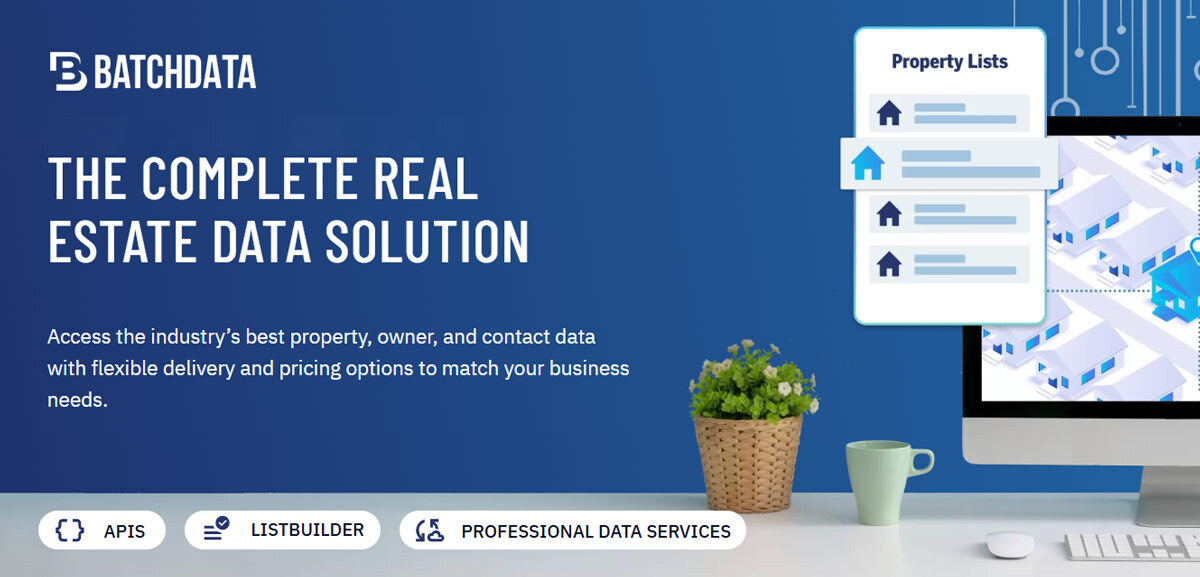
BatchData delivers a powerful platform for data integration and verification, offering access to over 1 billion data points across 155 million properties and 221 million homeowners. By maintaining accurate and up-to-date records, BatchData supports privacy compliance efforts. Its Phone Verification API enhances data integrity by identifying fake accounts and verifying phone details, reducing privacy risks within CRMs. The platform reports a 76% accuracy rate in reaching property owners, helping mitigate the risks tied to outdated or incorrect information.
BatchData’s APIs integrate seamlessly with existing CRMs, automating compliance workflows. For example, when a consumer submits a deletion request under CCPA, the system can automatically flag all related records for action. Additionally, BatchData offers professional services to design data pipelines that align with privacy-by-design principles, reinforcing a company’s overall compliance framework.
Adding Third-Party Data Solutions
In addition to integrated platforms like BatchData, third-party solutions can provide extra layers of security and automation. When expanding your vendor network, prioritize tools with strong encryption, access controls, audit logging, and clear data flow mapping. Platforms such as Snowflake and Microsoft Azure offer compliance certifications and features like automated data deletion workflows and consent management dashboards. These tools can streamline processes like handling data subject access requests.
Before onboarding any third-party solution, perform a thorough review of the vendor’s privacy policies and security certifications. Standards such as SOC 2 and ISO 27001 should be considered minimum requirements. Contracts should include specific clauses addressing data minimization, encryption protocols, and breach notification procedures. For example, the California DELETE Act mandates that data brokers implement accessible deletion mechanisms by January 2026, making it essential for vendor agreements to outline how deletion requests will be handled across the supply chain.
Vendor management platforms can simplify compliance tracking by centralizing visibility and automating routine monitoring tasks. This is especially valuable for real estate firms with limited staffing, where privacy requirements might otherwise be overlooked. Regular testing of third-party integrations – such as periodic reviews of data flows and access permissions – ensures that privacy controls remain effective over time. These practices complement direct vendor systems, helping firms maintain a comprehensive compliance strategy.
Vendor Compliance Checklist
This checklist breaks down essential compliance strategies into practical steps tailored for real estate firms. Ensuring vendor compliance involves more than just initial contract discussions; it requires ongoing oversight to mitigate risks like data breaches, which can lead to significant liabilities. The following steps are designed to help you meet privacy requirements and safeguard your business from regulatory penalties.
Reviewing Vendor Contracts
Vendor contracts are a cornerstone of data privacy compliance. With state privacy laws mandating specific data protection terms, these provisions are now legal obligations rather than optional guidelines.
Your contracts should clearly outline the following:
- Processing instructions: Define the types of personal data, processing duration, data retention policies, and limitations on how the data can be used.
- Compliance documentation: Require vendors to provide evidence of compliance and allow your company audit rights to verify their practices.
- Data deletion mandates: Include clauses that comply with the California Consumer Privacy Act (CCPA), requiring the deletion of consumer data upon request.
- Confidentiality and subcontracting: Ensure vendors maintain confidentiality, notify you of any subcontracting, and hold subcontractors to the same data protection standards.
As new regulations emerge, vendor contracts must evolve. For example, Minnesota’s Consumer Data Privacy Act (MCDPA), effective July 31, 2025, introduces specific requirements such as processing instructions, data deletion policies, and subcontractor notification clauses.
Steps for Privacy Audits
Privacy audits are essential for maintaining oversight. Start by mapping data flows to identify what data your vendors process and how it’s handled.
Key audit steps include:
- Security verification: Confirm that vendors use protective measures like encryption or redaction for sensitive data.
- Consumer request processes: Ensure vendors can handle privacy requests within legal timeframes.
- State law compliance: Check that vendors meet the requirements of state laws relevant to your business, such as the CCPA, Colorado Privacy Act, or Virginia Consumer Data Protection Act.
- Documentation: Record audit findings as proof of ongoing oversight.
- Training and policies: Verify that vendors have written data protection policies and provide privacy training for their employees. This documentation demonstrates your proactive compliance efforts and can protect against penalties or fines.
These audit measures should work in tandem with broader vendor oversight practices.
Managing Compliance Over Time
Maintaining compliance is an ongoing process. Regularly updating vendor agreements ensures your business stays aligned with evolving privacy laws. At a minimum, review these agreements annually or whenever significant regulatory changes occur in your operating regions.
Stay informed about new state privacy laws and proposed federal legislation. Update vendor contracts to reflect these changes before they take effect. Consulting privacy experts can help ensure your agreements meet the latest legal standards.
Document all updates and reviews to show regulators that your compliance program is active and up-to-date. This includes:
- Written vendor contracts with required data protection terms.
- Results from compliance audits.
- Policies and procedures outlining your company’s compliance program.
- Records of vendor training on privacy obligations.
- Documentation of technology solutions managing privacy rights requests.
Real estate firms often operate with limited staffing, which can leave privacy requirements overlooked and increase risks. Establish clear processes for instructing vendors to delete consumer data or process opt-out requests. For example, under laws like the CCPA, companies must notify service providers and contractors to remove consumer data from their records.
Conclusion: Achieving Vendor Compliance in Real Estate
Navigating vendor compliance is no longer optional for real estate firms – it’s a critical part of staying competitive and protecting both your clients and your business.
Key Takeaways
The regulatory landscape in real estate is growing increasingly complex, demanding more from firms to safeguard client data and maintain compliance. Ignoring these responsibilities can result in serious liabilities, especially when vendors fail to meet privacy standards. Historically, the rush to close transactions has sometimes pushed privacy concerns to the back burner, leaving room for compliance gaps.
BatchData’s platform, as mentioned earlier, offers a way to tackle these challenges head-on. With tools for real-time data validation and privacy compliance, it helps firms ensure their data practices are solid and up-to-date.
Leading firms adopt a "privacy by design" approach. This means collecting data only for legitimate purposes and securely disposing of it when it’s no longer needed. Regular vendor audits, clear contracts, and ongoing staff training are all part of establishing a compliance framework that can adapt to new regulations. For smaller firms, overlooking compliance can be especially risky, as even minor oversights can lead to hefty fines. By implementing effective privacy policies, businesses not only avoid penalties but also build trust with their clients.
Final Thoughts
Data privacy and vendor compliance are reshaping how real estate businesses operate. With the amount of customer and transaction data growing rapidly, these issues are becoming more critical than ever.
Regulations are evolving quickly, and staying ahead of them is essential. For example, California’s DELETE Act will soon require data brokers to provide deletion mechanisms by January 2026. Illinois has introduced some of the toughest biometric data laws in the country, and New York City has imposed rules on keyless entry data that have already led to fines for non-compliant property managers.
Focusing on vendor compliance isn’t just about avoiding fines – it’s about building a business that earns trust and thrives in the long term. Firms that take these regulations seriously today will be better positioned to meet future challenges while gaining a competitive edge as consumer expectations continue to rise.
Take action now: review your vendor contracts, schedule regular audits, and partner with vendors who prioritize data privacy. These steps will help safeguard your reputation and secure your business for years to come.
FAQs
How can real estate companies ensure their vendors follow state and international data privacy laws?
To make sure vendors comply with data privacy laws, real estate companies should begin by carefully evaluating their vendors. This means taking a close look at their privacy policies, security measures, and how they handle data. Everything should align with regulations such as the California Consumer Privacy Act (CCPA) and the General Data Protection Regulation (GDPR).
It’s also important to set up clear data-sharing agreements. These agreements should spell out each party’s responsibilities and compliance requirements. Conducting regular audits and keeping a close eye on vendor practices can help spot risks and ensure compliance over time. On top of that, training your team on privacy laws and fostering open communication with vendors can go a long way in improving your data protection strategies.
What risks do real estate firms face if their vendors violate privacy laws like CCPA or GDPR?
If a vendor doesn’t adhere to privacy laws like the California Consumer Privacy Act (CCPA) or the General Data Protection Regulation (GDPR), real estate firms can face serious repercussions. These might include steep fines, legal battles, and damage to their reputation – potentially shaking the trust of their clients.
On top of that, firms can still be held responsible for data breaches or improper handling of consumer information, even if the issue stems from a third-party vendor. This underscores the importance of ensuring that all vendors strictly comply with privacy standards to safeguard sensitive data and stay aligned with regulatory requirements.
How can I audit and monitor vendor compliance with real estate data privacy laws?
To properly audit and monitor vendor compliance with data privacy standards in the real estate industry, start with regular compliance reviews. These reviews should evaluate whether vendors are meeting legal requirements like the California Consumer Privacy Act (CCPA) or, if applicable, the General Data Protection Regulation (GDPR).
It’s also important to establish clear contractual agreements that outline specific data privacy expectations. These agreements should detail how data must be handled, stored, and shared. Require vendors to provide supporting documentation or certifications to confirm their compliance.
Finally, consider leveraging data monitoring tools or specialized services to keep track of how vendors handle sensitive information. Combining these audits with consistent communication and updates on privacy laws can help protect your organization and maintain trust.